

Lift Smarter, Build Faster: Why Hiring a Crane Changes Everything
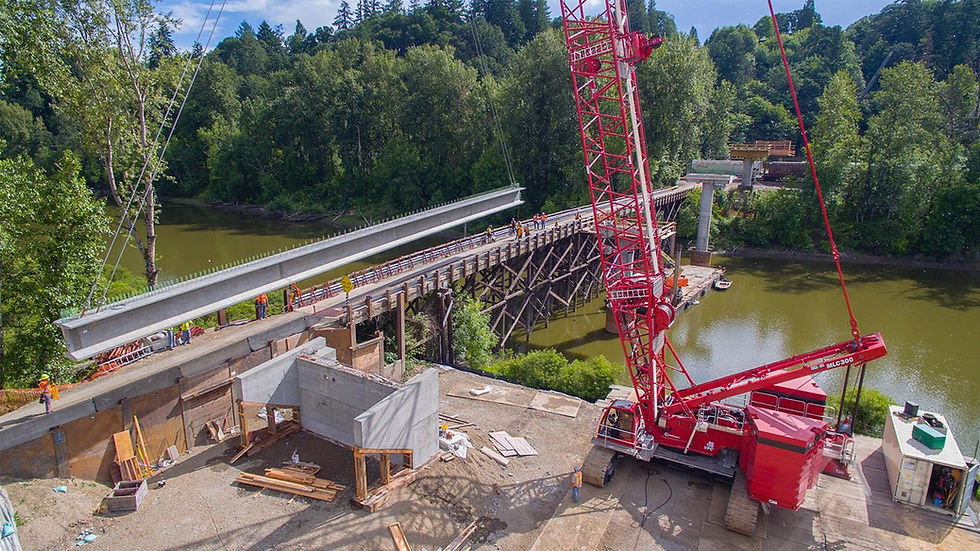
Construction projects often reach a point where progress slows down—not because of poor planning, but because certain tasks are simply too heavy, too high, or too awkward for people and standard machines to handle. When that happens, crews can feel stuck, waiting for a solution that keeps work moving without risking safety.
This is where many builders decide to Hire Crane in Cambridge. A crane isn’t just a big machine that lifts heavy objects. It’s a problem-solver that helps projects move forward smoothly, safely, and on schedule. When used properly, a crane can turn a stressful, time-consuming task into a quick and controlled operation.
In this article, we’ll explore how crane rentals fit into modern construction, why they’re so effective, and how crane rentals improve construction workflow in ways that are easy to understand—even if you’ve never been near a job site before. No technical talk, no confusing terms—just clear explanations, everyday examples, and practical insights.
Why Construction Projects Slow Down Without the Right Equipment
Imagine trying to move a large couch up three flights of stairs by yourself. You could do it—but it would take a long time, exhaust you, and risk damaging the couch or the walls. Now imagine having four helpers and a clear plan. Suddenly, the job becomes faster and safer.
Construction works the same way. When teams rely only on manual labor or small equipment, tasks like lifting steel beams, placing rooftop units, or moving heavy materials can slow everything down. Workers must take extra breaks, plan around limitations, and sometimes redo work if something goes wrong.
A crane removes those bottlenecks by doing the heavy lifting—literally—so workers can focus on building rather than struggling.
What It Really Means to Hire a Crane
Hiring a crane is less about renting a machine and more about bringing in a specialized service. You’re not just paying for equipment; you’re paying for experience, planning, and coordination.
When a crane is hired, the service often includes:
Delivery of the crane to the site
Setup and positioning
A trained operator
Safety checks before lifting begins
Think of it like hiring a professional moving company instead of asking friends for help. The movers know how to lift properly, avoid damage, and finish faster.
How Cranes Fit Into Different Types of Projects
Cranes aren’t only used for massive buildings. They’re surprisingly versatile and can support a wide range of projects.
Residential Construction and Renovation
Home projects may seem small, but some items are too heavy or awkward to move safely by hand.
Common residential uses include:
Lifting roof trusses
Installing large windows or glass panels
Placing hot tubs, sheds, or generators
Using a crane can turn an all-day struggle into a short, controlled lift.
Commercial Construction
Commercial projects often involve tight schedules and heavy materials.
Cranes help with:
Steel framing
Rooftop equipment installation
Large renovations
In these cases, cranes keep work moving steadily, preventing delays that can be costly.
Industrial and Infrastructure Work
Larger projects benefit even more from cranes due to scale and weight.
Typical uses include:
Machinery placement
Structural assembly
Material handling across large sites
Without cranes, these tasks would take much longer and pose higher safety risks.
How Crane Rentals Improve Construction Workflow
To understand how crane rentals improve construction workflow, think of a construction site like a kitchen during a busy dinner rush. If the cook has to keep running to another room for tools, everything slows down. But when tools are placed exactly where they’re needed, work flows smoothly.
Cranes act like that well-placed tool.
Faster Movement of Materials
Instead of carrying materials piece by piece, cranes move large loads in one trip. This saves time and energy.
Better Coordination Between Crews
When materials arrive exactly where they’re needed, workers don’t wait around. Everyone stays productive.
Fewer Delays
Heavy lifting often causes schedule issues. Cranes reduce these delays by handling tasks efficiently.
Improved Safety
When workers aren’t straining to lift heavy items, injuries decrease. Fewer injuries mean fewer stoppages.
Together, these benefits create a smoother, more predictable workflow from start to finish.
Planning Before the Crane Arrives
A successful crane lift starts long before the machine shows up. Planning is key, but it doesn’t have to be complicated.
Site Check
The ground must support the crane’s weight. Nearby buildings, trees, and power lines are also considered.
Load Review
Knowing what will be lifted helps determine the right crane size and setup.
Timing
The crane is scheduled to arrive when everything else is ready, much like timing a delivery when someone is home.
This preparation prevents last-minute surprises.
What Happens When the Crane Is Set Up
Watching a crane being prepared can look impressive, but the process follows a simple idea: stability first.
Support legs are extended, the crane is leveled, and safety systems are checked. Only after everything is secure does lifting begin.
Think of it like setting up a ladder. You wouldn’t climb until you were sure it was steady.
During the Lift: Calm, Controlled, and Precise
Once lifting begins, everything moves slowly and deliberately. Operators communicate with ground crews using clear signals or radios. Loads are raised, moved, and placed carefully.
Despite the size of the equipment, the goal is gentle control—not speed.
Safety Is Built Into Every Step
Cranes are powerful, which means safety is never optional.
Professional crane services include:
Regular inspections
Certified operators
Clear safety procedures
These measures protect workers and property alike. Just as seatbelts protect drivers, safety systems protect everyone on site.
How Long Can a Crane Be Hired?
Crane rentals are flexible and adapt to project needs.
Short lifts may only take a few hours
Medium projects might need a full day
Long-term builds can arrange extended rentals
This flexibility allows builders to control costs and timelines.
Cost Factors Explained Simply
Several things affect the cost of hiring a crane:
Size and type of crane
Length of rental
Complexity of setup
Operator involvement
It’s similar to renting a vehicle: bigger and longer rentals cost more, but provide greater capability.
The Advantage of Experienced Providers
Working with experienced companies makes the process smoother. Providers familiar with local conditions understand common challenges and regulations.
Companies such as Elite Crane Rental INC bring coordination and experience to the job, helping ensure lifts are done safely and efficiently. That experience often saves time and prevents mistakes.
Why Hiring a Crane Is a Smart Decision
At its core, hiring a crane is about working smarter, not harder. It reduces physical strain, speeds up progress, and keeps projects organized.
Instead of fighting against gravity and limitations, cranes allow builders to work with precision and confidence.
Conclusion
Construction doesn’t have to be a constant struggle against heavy materials and tight schedules. With the right equipment and planning, even complex tasks can feel manageable.
Choosing to hire a crane brings strength, efficiency, and safety into a project all at once. From residential builds to large commercial sites, cranes help teams stay productive and focused. When heavy lifting is handled professionally, the entire workflow becomes smoother—turning challenging projects into successful outcomes.
Frequently Asked Questions
1. Do I need training to hire a crane?
No. Most crane services include a trained operator who handles the equipment safely.
2. Can cranes be used in small or tight spaces?
Yes. Smaller cranes are designed specifically for limited-access areas.
3. How far in advance should a crane be booked?
Booking early is recommended, especially during busy construction seasons.
4. Are cranes affected by weather?
Strong winds or severe weather can delay lifts, but safety planning accounts for this.
5. Is hiring a crane worth it for short jobs?
Yes. Even short lifts can save time, reduce risk, and prevent injuries.

Comments